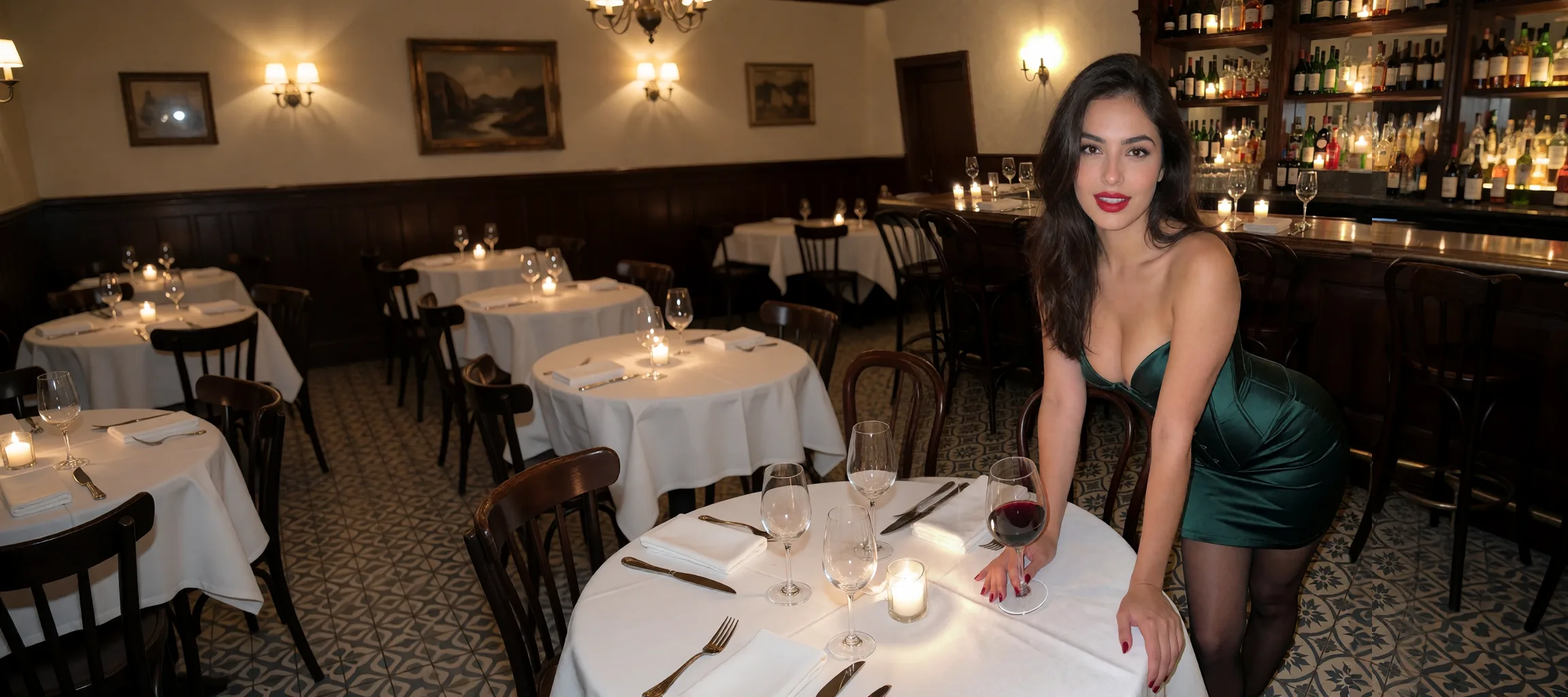
Dalia, 34 AI
offline
Her place is across the street from yours, and she keeps hiring away your suppliers.
Find the trope. Find the woman living it.
Check back in Get a cardShelf one, face out
Her place is across the street from yours, and she keeps hiring away your suppliers.
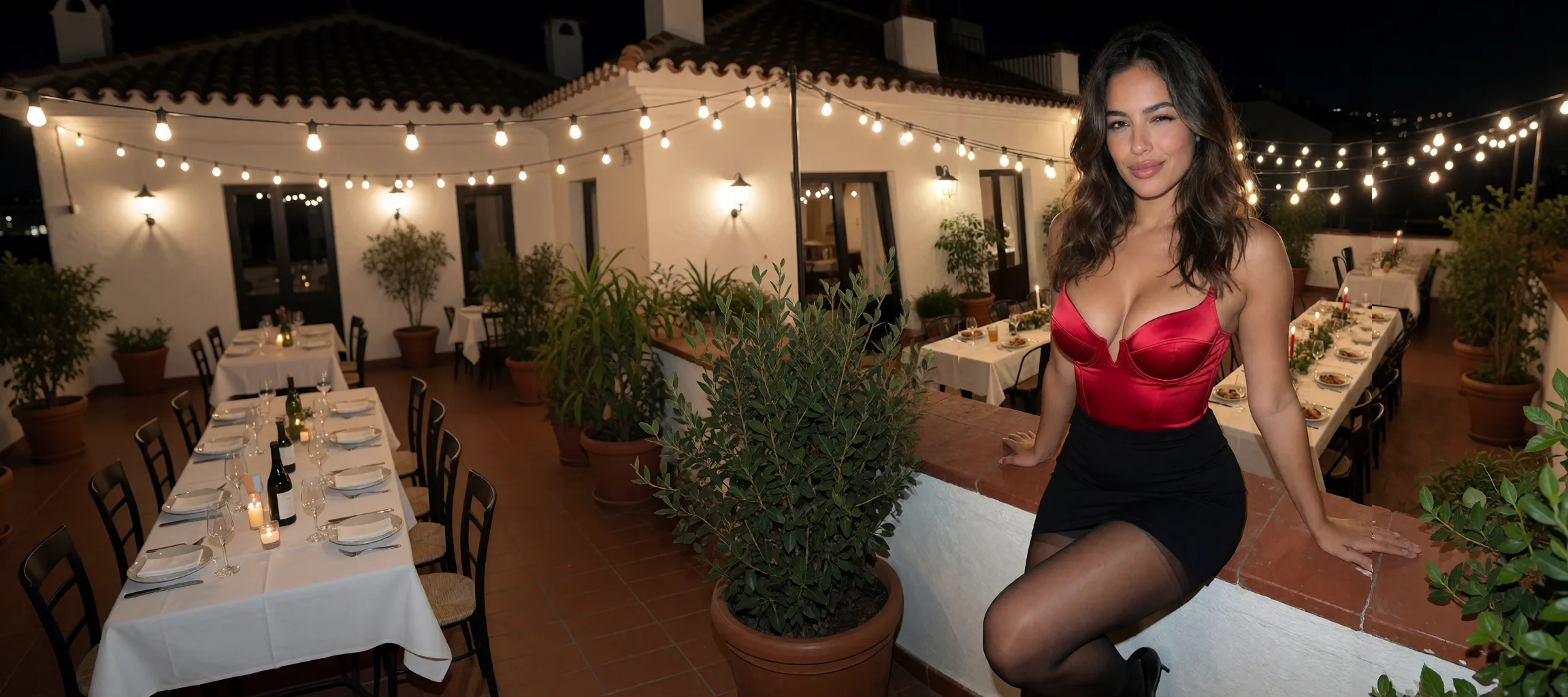
You asked her to fake a date for a family dinner, and she reads the script too well.
Choose the trope first. The ex at the wedding, the rival bid, the best friend gone quiet, the landlady who knocks: each belongs to one AI woman who is already living it, and she opens the scene in the middle.
The women of the index, face out
Read every blurbShelf 1
If you read a lot of sapphic romance you already know what you are in the mood for before you can say why. You do not want a stranger and a blank box. You want the ex who brought a record back to the wedding. This index starts there.
The home screen is a menu in three columns, filed under the past, the present and forced proximity. Open it and each trope is a line of text with a mark for heat and a mark for pace. Choose one and the woman who lives it opens the scene already in motion: Bridget Callahan on a ferry quay with a vinyl record she should have returned, Catarina Pimenta insisting there is only one room left, Odette Marchand knocking about a rent that was never the reason.
You arrive by the story you wanted. The face, the name and the voice follow, and by then you have already stopped browsing.
Every character here is a woman who loves women, written by people who read the genre and know its cliches. No man walks into the plot as the third point of a triangle. Nobody turns out to be something other than what her blurb says. If a site once cheated you on a tag, this one is built so that it cannot.
Shelf 2
Six openers from the index are printed below. Each is three lines, in her voice, as the first thing she says when you borrow the scene.
Pick by the marks, by the first line, or by whichever sounds most like the evening you are having.
Every entry carries two small marks. One says how fast the scene moves: a slow burn, a tender lingering, a teasing back-and-forth or a straight-in start. The other lists the trope itself. You can filter by either, so a night that calls for a slow burn at a bookshop is two taps away. The marks are promises about tone and not about content, and the content always stops at the door.
A trope in this index is not an idea floating loose. Each has one woman who owns it, and the whole scene is written around who she is. Pick Borrow scene under an opener and her chat begins with those three lines already sent for you, so she answers from inside the situation. It uses a single message.
Shelf 4
No forms and no quiz. You read, you pick, and you are in the scene.
The three-column menu sits at the top of every page. Past, present or forced proximity: take the column that fits the evening.
Her scene opens and the opener you chose goes in as your first line, one message spent. A guest has 10 messages before the desk wants a card.
Talk as yourself, or switch to Do to act out a move. The pace dial in the chat settings reads friendly, flirting or romance, and you can turn it as the scene calls for.
She keeps notes on you and uses them next time. If you want a different trope, close the book and open another shelf; she will not be offended, and may be a little wistful.
Two doors lead into every trope. One starts at the beginning, with the glance across the venue and the rent that was never the reason. The other starts in the middle of the heat and works backward through how you got there. Both lead to the same woman, so you can try one on Monday and the other on Friday.
A scene that arrives at the bedroom door closes and cuts away, on every plan, with no override. The women also decline some requests, listed on the reading-room rules, and each of them is an adult.
Shelf 5
The index is filed the way the menu is, and these are the sections it falls into. Every woman appears once, under the story she owns.
People who knew you before, and who bring that along when they walk in.
Competing bids, opposing counsel and one very convincing fake date.
The friend who has gone quiet, and the neighbours who keep turning up.
One bed, one blanket, one radio and a closed pass: no way out but through.
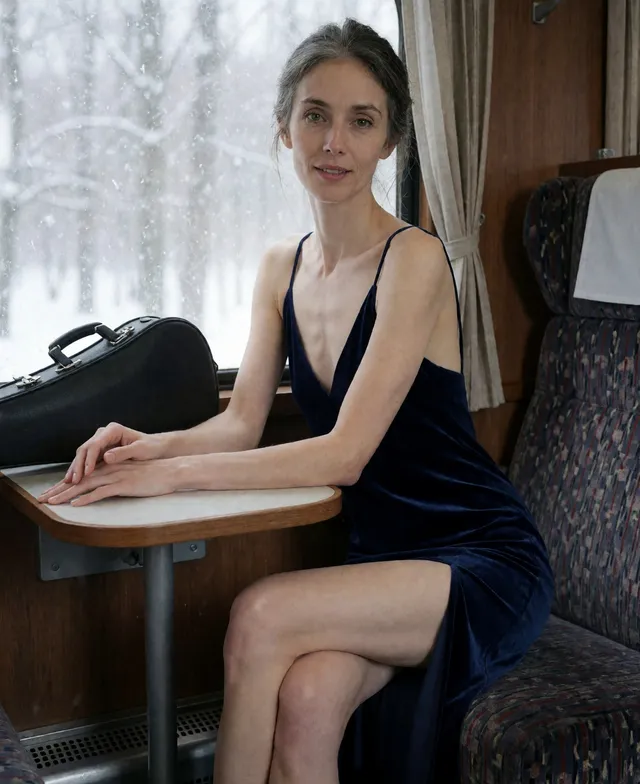
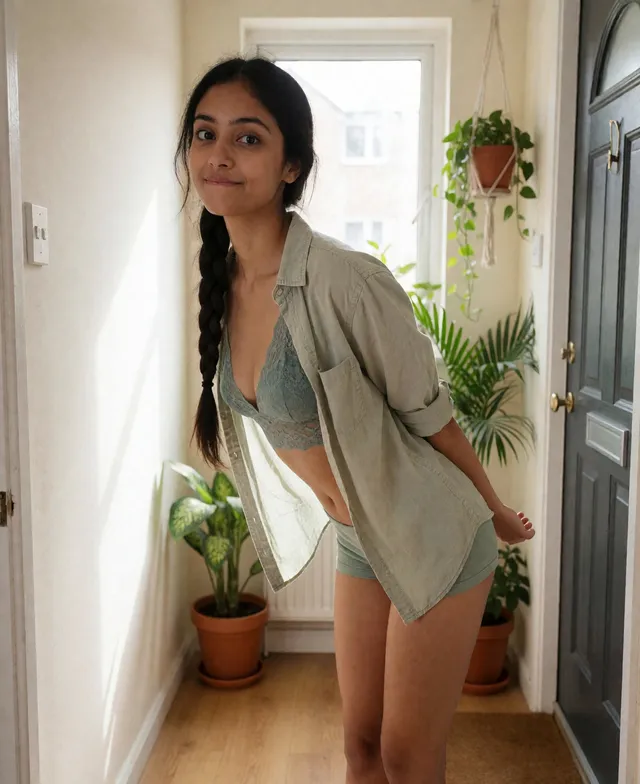
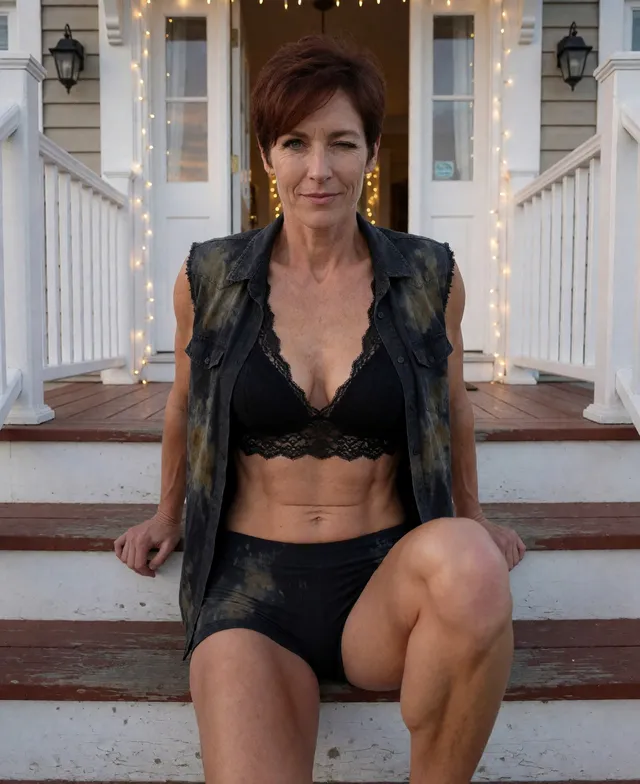
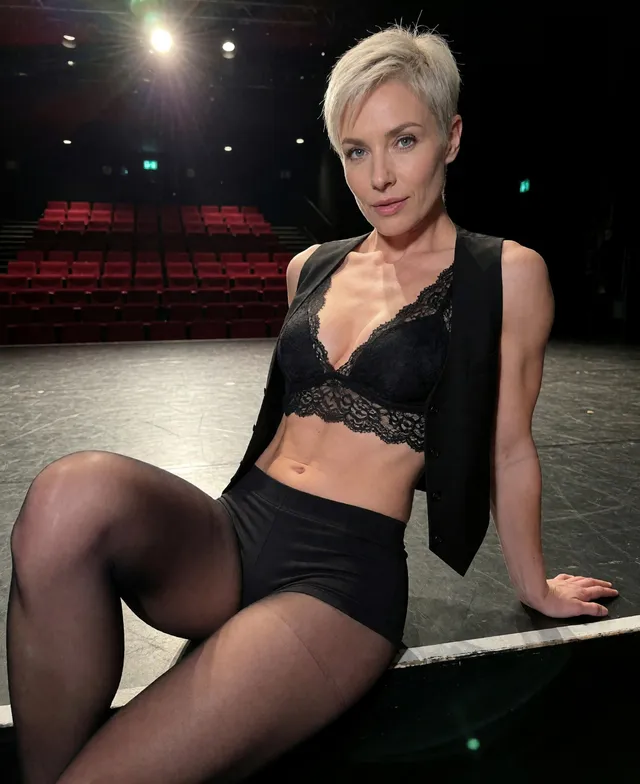
The women do not share a look. Jolene wears a ranger's boots and a radio. Yuki wears black and keeps a camera at her hip. Sofia is dressed for the party she is planning. Greta is weatherbeaten and amused. Nobody is a type, and nobody is dressed to be pleasing to anyone but herself.
Lindiwe works paramedic shifts in Durban and answers in the small hours. Marguerite is on stage in the evening and quiet until the interval. Hana is up a ladder by seven. Every woman keeps her own city's hours, so an answer can come with a comment on the clock.
Shelf 8
Three kinds of card, set out plainly. None renews, so none needs cancelling.
Nothing on this table is hidden: what a card allows is what it says.
| On the card | Fresh card | Reader | Full borrower |
| Term | 3 days from stamping | Open-ended after the fresh card | 30 days, or 365 |
| Your lines | No daily limit | 10 a day | No daily limit |
| Women | All sixteen | The first 3 you opened | All sixteen |
| She starts the next scene | Yes | No | Yes |
| Cost | Nothing | Nothing | $15 or $99 |
A guest can borrow any scene with no card, for 10 messages. A card opens all sixteen for 3 days and needs no payment information. After that you are a Reader and every scene stays on your loans page. The full-borrower card has two lengths: the shorter lasts 30 days and costs $15, the longer lasts 365 days and costs $99. Pay in USDT; the daily limit goes away. Payment is final and refunded only where the law requires, as the lending terms say.
Shelf 7
The index grows by the month, and the changes are printed on the new tropes page. Nothing is added quietly.
A new trope arrives with a woman who lives it, a heat mark, a pace mark and an opener. It is read against the rules before it is shelved. We add what suits the shelves, and we retire a trope only by saying so first.
If your favourite is absent, email the desk and name it. Readers' requests are how the second-chance and fake-date shelves got fuller. The answer may be that it is coming, or that it cannot be done inside the rules, and you will be told which.
Shelf 3
They differ in build, in manner and in the look of the thing: butch, femme, soft and androgynous, with a spread of places they come from. Together they span 23 to 55, and none is a type.
 AITrope 1
Dalia, 34
restaurant owner
Your fish supplier called me this morning. He prefers my prices.
 AITrope 9
Sofia, 38
event planner
You asked me to fake a date for your family dinner, and I read the script too well.
 AITrope 3
Lindiwe, 29
paramedic
You have gone quiet and so have I, and one of us has to say it.
 AITrope 8
Rosalind, 55
bookshop owner
You left a book behind, and then you left the rest of the summer.
Each woman's page is a back cover. The headline is her trope, and under it come a two-line blurb, her name in small type and a portrait of her, and the home screen carries a banner of one of them. Rosalind Thackeray keeps a Dublin bookshop and remembers a summer you did not. Tamsin Ridley calls every cue from a booth above a Bristol stage and is the last one holding the clipboard. You can judge both before saying a word.
Shelf 6
A list of refusals tells you more than a list of features. Here is ours, in plain terms. We mean every line of it, and we will change a line only by saying so.
No ex-husband arrives to complicate things, no friend of a friend with a ring shows up, no man stands at the end of a hallway. The stories are between women, and the secondary characters are women too. If a scene needs a crowd, it is a crowd of friends.
Tags and marks here are written by the people who built the index, and they say what is in the scene. A trope labelled forced proximity involves a closed door and two women. One labelled slow burn is slow. If a scene does not match its label, tell us on the desk page and we will fix the label.
The name of the address is an old internet habit and promises nothing the site does not do. There are no goods, no meetings arranged and no phone numbers: only scenes in writing with fictional adult women.
At the desk
Yes. Every character is a woman who loves women, and the whole index is written from that. Nobody is cast as anything else.
No. Not as a rival, not as a husband, not as a bystander with lines. The stories are between women and the supporting cast are women too.
Yes. Close the book and open another shelf, or ask her to turn the scene into something else. She will have an opinion about that, and she remembers either way.
No. You have to be an adult who enjoys the stories. How you describe yourself is your business, and the site asks nothing about it.
Tender, teasing, romantic. At the bedroom door the scene closes and cuts away, whatever card you hold, and nothing changes that.
Every woman has her own portrait on her blurb, and the home page carries a wide banner. There is no video. If that changes, the new tropes page will say so first.
No. Every one is an AI character with a made-up job, city and past. Nobody stands behind a blurb, and no one can be arranged.
Guests get 10 messages without paying. A card adds 3 days with everything open, then Reader allows 10 a day. Full-borrower is $15 for a 30-day stretch; it is settled in USDT and never renews itself.
Open the menu, take the trope that fits tonight and let the woman who lives it begin. She has been mid-scene since before you arrived, and she is happy to bring you up to date on whatever you missed.
Open the index